

get

How to Create a Slogan for Your Business

Have a favorite slogan? Chances are, you immediately connect it to a well-known brand.
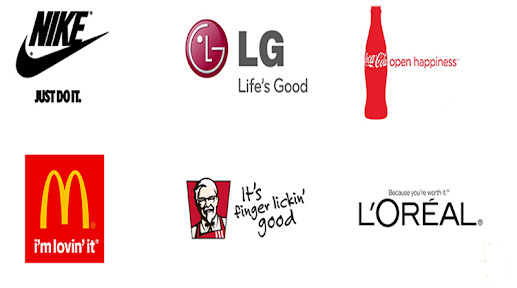

Think about Nike’s “Just Do It” or McDonald’s “I’m Lovin’ It.” These short phrases have become part of popular culture — and that’s the magic of a great slogan.

A powerful slogan can capture attention, boost brand awareness, and build loyalty. It goes beyond just a few words — it defines your brand’s personality and message.
If you’ve been wondering how to create a slogan for your business, this guide will walk you through every essential step.


Why Do You Need a Business Slogan?

A business slogan is much more than a catchy line — it’s the voice of your brand. It represents your promise to customers and communicates what makes you different.

A well-crafted slogan can:

  • Give your business a memorable identity
  • Strengthen your overall marketing strategy
  • Communicate values your audience can relate to
  • Make your brand instantly recognizable
  • Improve brand recall and emotional connection

In today’s world of short attention spans and constant media exposure, a strong slogan ensures your brand stands out and stays in the customer’s mind.


What Makes a Business Slogan Effective?

Every successful slogan shares a few key traits. Let’s look at the qualities that make a tagline truly unforgettable:

1. Simplicity

Keep it clear, short, and easy to understand. Avoid complicated words or insider jargon. Your message should connect instantly.

2. Originality

A slogan should represent your unique value. Avoid clichés — instead, express your brand’s distinct promise or personality.

3. Relevance

It should align with your target audience’s mindset and your brand’s tone. Think of it as a bridge between your brand’s goals and your customer’s needs.

4. Emotion

Great slogans create emotional responses — motivation, joy, trust, or excitement. That’s why lines like “Just Do It” or “Because You’re Worth It” have remained timeless.


Example: Nike’s “Just Do It”

Nike’s slogan has become a benchmark for marketing excellence.
It’s short, powerful, and motivational — inspiring athletes and everyday people alike.
It works because it goes beyond selling shoes; it sells determination and empowerment.

That’s exactly what your slogan should do — create meaning beyond the product.


How to Create a Business Slogan

Creating a memorable slogan isn’t luck — it’s a process that combines creativity, clarity, and strategy.

Follow these steps to build one that sticks:

1. Identify What Makes Your Brand Special

Start by defining your brand values, mission, and audience. Ask yourself:

  • What problem do we solve?
  • What emotion do we want customers to feel?
  • What do we stand for — innovation, trust, creativity, or quality?

Knowing your unique strengths is the foundation of your slogan.

2. Define Your Business Goals

Your slogan should reflect your business objectives. Whether you’re aiming for brand awareness, emotional connection, or credibility — make sure your slogan reinforces that aim.

Keep your customers at the center. What matters most to them? What benefits will they remember?

3. Brainstorm Creative Ideas

Start with a brainstorming session. Write down all ideas, no matter how rough.
Use techniques like:

  • Word association
  • Customer perspective (“What do I gain from this brand?”)
  • Emotional triggers (“How do I feel when I use this product?”)

Then, shortlist 3–5 options and test them among colleagues or your audience.

4. Keep It Short and Flexible

Your slogan should fit across all media — website, print, and social. Aim for 3–6 words that can stand alone and still convey meaning.

5. Stay Consistent with Branding

Make sure your tagline complements your brand voice, logo, and message.
For instance, Velldone, a leader in commercial real estate, uses professional and trustworthy communication across platforms. Similarly, Vishnupriyam, known for commercial interior design, aligns its message with elegance and innovation.

6. Test and Refine

Before finalizing, test your slogan’s clarity and emotional impact. Ask a few people to repeat it after reading once — if they remember it, you’ve nailed it.


Conclusion

A great slogan does more than sound good — it builds recognition, creates emotion, and defines your brand identity.
Whether it’s “Think Different”, “Just Do It”, or “Because You’re Worth It”, every powerful slogan tells a story that resonates.

If you want to create a slogan for your business that connects deeply with your audience, the experts at Hosthiway can help.
From brand strategy to digital marketing, SEO, and creative content, we craft ideas that drive real results and lasting impressions.

Visit hosthiway.com to learn more, or explore our Blog and About Us pages for insights.


FAQs

Q1. How long should a slogan be?

A: The best slogans are short — ideally between 3 to 6 words. The shorter it is, the easier it is to remember.

Q2. How can I test if my slogan is effective?

A: Run small polls or social media tests. If your audience recalls or engages with it easily, it’s a strong slogan.

Q3. Should my slogan change over time?

A: Only if your brand direction changes significantly. Consistency builds recognition — so keep it stable unless rebranding.

Q4. Can SEO help promote my slogan online?

A: Yes! Optimizing your website, tagline, and content helps make your slogan more visible in branded search results.


About Hosthiway

At Hosthiway, we help brands grow through strategy, creativity, and technology.
Our team specializes in:

  • Branding & Content Creation
  • SEO and Digital Marketing
  • Social Media Management
  • Website Design & Development

Whether you’re building a slogan, designing a website, or growing your digital footprint — we help your brand stand out in the crowded marketplace.

Strong SEO Strategy

Three Core Components of a Strong SEO Strategy

Building a strong SEO strategy is the foundation of every successful digital marketing campaign. It ensures your website is visible, accessible, and trustworthy in the eyes of both users and search engines. SEO isn’t just about keywords or backlinks—it’s a comprehensive system of technical accuracy, valuable content, and authority signals that together drive organic growth.

Let’s explore the three essential pillars of SEO — technical setup, content, and links — and understand how each contributes to online success.


1. Technical Setup

Your technical setup acts as the engine of your website’s SEO performance. Without a solid foundation, even the best content can fail to rank.

Search engines must first discover, crawl, and index your website to display it in search results. Here’s how you can ensure your website is technically sound:

a. Crawlability & Indexing

A website must allow search engines to easily navigate and index pages. Use a robots.txt file wisely to guide crawlers, and ensure your XML sitemap is updated regularly to include all important pages.

b. Mobile Responsiveness

With over 60% of searches coming from mobile devices, Google prioritizes mobile-friendly websites. Your site should be responsive, load fast, and offer seamless navigation across all devices.

c. Page Speed Optimization

Website speed directly affects ranking and user retention. Use tools like Google PageSpeed Insights or GTmetrix to identify and fix performance bottlenecks such as large image sizes or unnecessary scripts.

d. Website Navigation & Internal Links

Search engines crawl sites using links. Ensure your internal linking structure is logical, text-based, and connects relevant pages. Avoid using images as navigation elements, as crawlers can’t interpret them effectively.

e. Secure and Clean URL Structure

Use HTTPS for security and SEO benefits. Keep URLs short, descriptive, and keyword-focused — for example:
hosthiway.com/seo-services instead of hosthiway.com/page?id=12345.

f. Fix Broken Links and Redirects

Dead links negatively affect crawl efficiency and user experience. Regularly check for 404 errors and incorrect redirects.

You can read more about website optimization tips on our Hosthiway Blog or learn about our mission on the About Page.


2. Content

If the technical setup is the engine, content is the fuel. It’s what users come for and what search engines rank.

High-quality content demonstrates expertise, solves problems, and answers queries that your target audience is searching for. But not all content performs well — it needs to be optimized strategically.

a. Keyword Research

Start by understanding what your audience is searching for. Use tools like Google Keyword Planner or Ahrefs to find high-intent search terms related to your business.
For example, if you’re a marketing agency, focus on keywords like SEO services in Delhi NCR, digital marketing company, or best website designing agency.

b. On-Page Optimization

Optimize meta tags, headers, internal links, and alt text for images. Maintain a keyword density of around 1–2%, ensuring your writing remains natural.

Each page should have a clear focus keyword, with supporting subtopics and related terms to enhance semantic relevance.

c. Content Freshness

Search engines prefer websites that update regularly. Publish new blog posts, refresh old articles, and add current data or examples to stay relevant.

d. Readability and Engagement

Write content that’s easy to read. Use short paragraphs, bullet points, visuals, and clear headings. Your goal should be to inform, not overwhelm.

e. Visual and Multimedia Content

Adding images, videos, and infographics enhances user engagement. Optimize visuals with descriptive filenames and alt tags for accessibility and SEO benefit.

At Hosthiway, our content marketing experts create SEO-optimized blogs and web pages that engage users while ranking effectively on search engines.


3. Links

Backlinks are one of the strongest signals of trust and authority. They tell search engines that your content is valuable enough to be referenced by others.

a. What Are Backlinks?

A backlink is a hyperlink from another website pointing to your page. Each backlink acts as a vote of confidence, increasing your domain authority and search engine trust.

b. Link Quality Over Quantity

Not all links are equal. A single link from a high-authority, relevant website can be more powerful than dozens from low-quality sources.

c. Link Building Strategies

Building backlinks takes time, creativity, and outreach. Here are some effective methods:

  • Guest blogging on relevant websites
  • Submitting business profiles to directories
  • Creating shareable infographics or reports
  • Earning mentions through PR and influencer collaborations

For example, Velldone — a trusted name in commercial real estate — builds authority through informative web content and backlinks. Similarly, Vishnupriyam, a leader in commercial interior design, strengthens brand credibility with consistent SEO-backed visibility.

d. Internal Link Building

Don’t just focus outward — interlink your own pages too. This helps distribute link equity across your site and keeps users exploring longer.


About Hosthiway

At Hosthiway, we help businesses unlock growth through powerful digital marketing. Our services include:

  • Search Engine Optimization (SEO)
  • Social Media Marketing (SMM)
  • Pay-Per-Click Advertising (PPC)
  • Website Design & Development
  • Content Marketing

We understand that SEO is not a one-time effort but an ongoing strategy that adapts with every algorithm update. Our goal is to deliver measurable, sustainable results for businesses across all industries.

Reach us at hosthiway.com to learn how we can enhance your digital journey.


FAQs

Q1: What are the 3 main pillars of SEO?

Technical setup, content, and backlinks — these three form the foundation of every successful SEO strategy.

Q2: How long does it take to build SEO authority?

SEO results typically take 3–6 months, depending on your niche, competition, and optimization consistency.

Q3: Why is content important for SEO?

Content helps search engines understand your expertise and connects your business with your target audience’s search intent.

Q4: What tools can I use to analyze SEO performance?

Tools like Google Analytics, Google Search Console, SEMrush, and Ahrefs help monitor rankings, backlinks, and traffic.


Conclusion

A strong SEO strategy isn’t about quick fixes—it’s about consistency, value, and structure. When you balance technical accuracy, engaging content, and credible backlinks, your website naturally earns visibility, authority, and conversions.

At Hosthiway, we combine strategy, creativity, and data to help businesses dominate the digital landscape.

social media tips for small businesses

5 Important Social Media Tips for Small Businesses

Social media has completely transformed how businesses communicate and connect with their audience. For small businesses, it’s no longer an option — it’s essential. Using the right social media tips for small businesses can help build visibility, brand trust, and revenue.

At Hosthiway, we’ve helped countless small brands grow their social presence and generate consistent leads through strategic content and engagement. Here’s how you can do the same.


1. Pick the Best Platforms for Your Brand

Not every platform is right for every business. Start by identifying where your audience spends time. For example:

  • Instagram: Best for fashion, lifestyle, and visual brands.
  • LinkedIn: Great for B2B and service-based businesses.
  • Facebook: Perfect for local businesses and community engagement.

Choose 2–3 platforms that match your audience and focus on mastering them. Consistency and understanding audience behavior matter more than being active everywhere.


2. Build a Unique Brand Voice

Your brand voice is how your audience remembers you. Whether it’s humorous, informative, or emotional — your tone must reflect your values.

Engage with your audience through polls, Q&As, stories, and comments. Brands like Zomato and Swiggy have mastered this by creating content that feels relatable and human.

Remember — don’t just post; converse. Build relationships that last.


3. Set Realistic and Measurable Goals

Social media success doesn’t happen overnight. Instead of aiming for “more followers” or “instant sales,” focus on SMART goals — Specific, Measurable, Achievable, Realistic, and Time-bound.

Example:
I want sales from social media.
I want 300 leads that convert into 30 sales in 90 days.

When you track performance and stay consistent, results naturally follow.


4. Plan and Follow a Posting Schedule

Timing and consistency are everything. Study when your audience is most active — early morning, lunch hours, or late evening — and schedule posts accordingly.

Use tools like Meta Business Suite or Buffer to manage your calendar. Regular posting improves reach, while sporadic activity can make your brand appear inactive.

At Hosthiway, we recommend maintaining at least 3–4 quality posts per week supported by stories, reels, and engagement activities.


5. Keep an Eye on Your Competitors

Monitoring competitors helps you stay ahead. Analyze what content works for them — hashtags, formats, tone, and audience engagement.

This doesn’t mean copying, but rather learning. Identify gaps they miss and fill those with your own creativity.
Competitor analysis also sparks fresh ideas for visuals, trends, and marketing campaigns.


Why Social Media Marketing Matters for Small Businesses

Social media marketing is the most cost-effective way for small businesses to compete with big brands. It helps you:

  • Build community and customer trust
  • Drive website traffic and lead generation
  • Showcase your brand personality
  • Collect feedback directly from your audience

With the right strategy, you can turn followers into loyal customers and customers into brand ambassadors.


Hosthiway: Helping Small Businesses Grow Online

Hosthiway is a leading name in the digital marketing industry, offering specialized services for small and mid-sized businesses.
Our in-house social media team helps identify your ideal audience, optimize channels, and design ad campaigns that convert.

If you’re looking to boost your digital presence, visit our official website, explore more tips on our blog page, or learn more about our journey on the About Us page.

We also collaborate with brands like Velldone — experts in commercial real estate, and Vishnupriyam — specialists in commercial interior design, forming a complete business growth ecosystem.


Final Thoughts

Social media success is about patience, creativity, and data-driven decisions. Stay authentic, post consistently, and engage meaningfully — the results will follow.

If you’re ready to take your brand’s social media to the next level, connect with Hosthiway, your trusted digital growth partner.


Faq

1. Why should I hire a social media agency?

Hiring a professional agency like Hosthiway ensures strategic planning, creative campaign management, and expert optimization. Our team specializes in creating social media campaigns that drive results and brand growth.

2. What type of content works best on social media for small businesses?

Visual and interactive content performs best — such as short videos, carousels, infographics, behind-the-scenes clips, and customer testimonials. Educational posts and relatable memes also help boost engagement organically.